
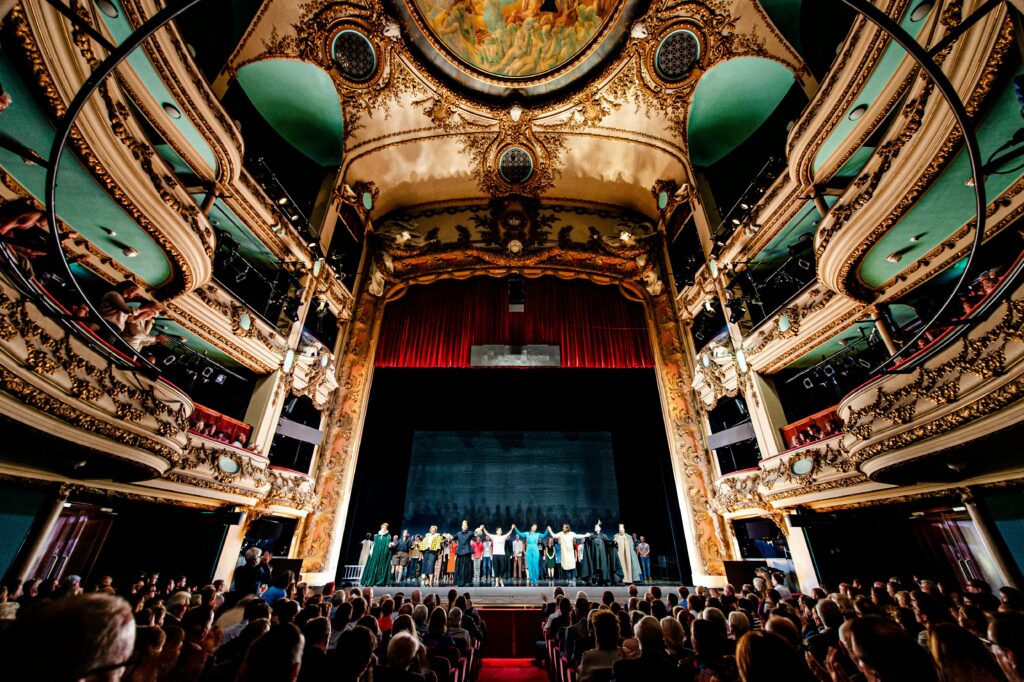
Recently, Timothée Chalamet sparked controversy after suggesting that ballet and opera are art forms that “no one cares about anymore.” While some interpreted his comments as dismissive, others saw them as a reflection of a larger cultural shift, one where traditional performing arts struggle to compete with fast-paced, digital entertainment.
As a young opera artist, I’ve been sitting with this question: Are we really witnessing the death of opera and ballet, or something else entirely?
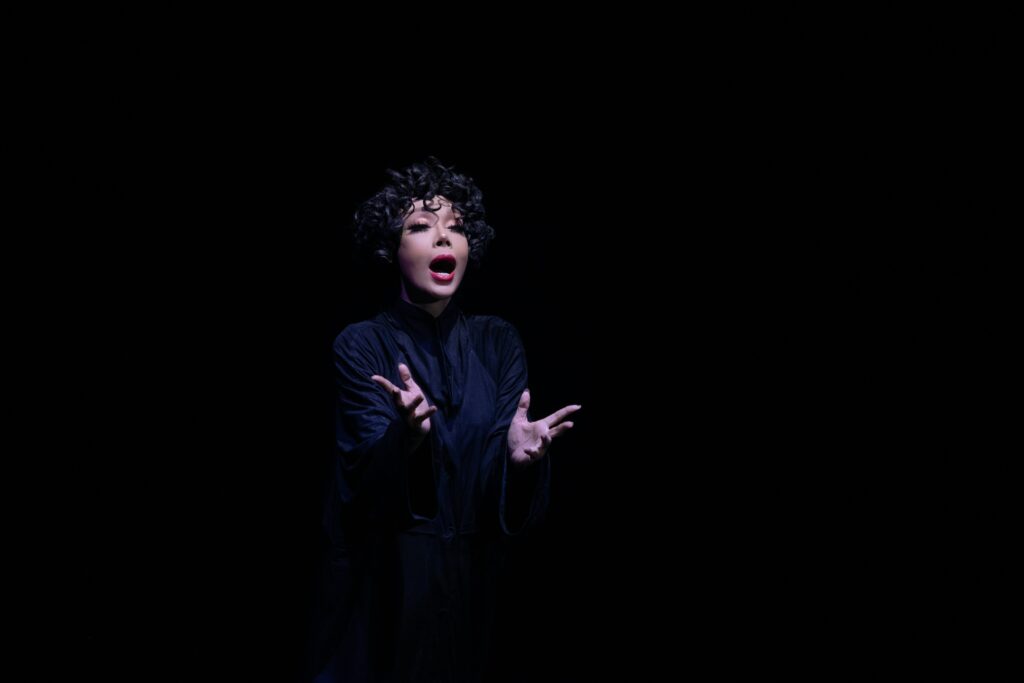
Hearing the Criticism
Let’s start with honesty: there is a reason this comment resonated.
Opera and ballet are not always accessible. Tickets can be expensive, performances are often concentrated in major cities, and the art forms can feel intimidating to newcomers. In a world of streaming, social media, and instant entertainment, sitting through a three-hour opera in a foreign language isn’t always the first choice for younger audiences.
But “Dying” Isn’t the Right Word
Here’s where I push back.
Opera isn’t dying, it’s evolving.
Despite the narrative, opera companies continue to draw audiences, experiment with new works, and reach younger generations through social media and outreach. Many institutions have reported growing engagement, especially among younger audiences, even in the wake of criticism.
More importantly, opera offers something that no algorithm, no screen, and no digital shortcut can replicate: unfiltered human expression.
That kind of connection doesn’t become obsolete. If anything, it becomes more valuable in a world saturated with artificial experiences.
Why Young Artists Still Choose Opera
If opera were truly “dying,” young singers wouldn’t still be dedicating years to mastering it.
But we are.
We choose opera not because it’s easy or popular, but because it demands everything: technical discipline, emotional vulnerability, and a deep commitment to storytelling. It stretches the human voice and spirit in ways few other art forms can.
A Personal Reflection
As a young opera artist, I don’t feel like I’m preserving something on life support.
I feel like I’m part of something alive.
I’ve seen audiences laugh, cry, and sit in stunned silence after a performance. I’ve watched people experience opera for the first time and realize it’s not what they expected.
Opera doesn’t need everyone to care about it.
But it does need people to experience it before deciding it doesn’t matter.
Conclusion: Not a Eulogy, But an Invitation
Maybe the question isn’t whether opera and ballet are dying.
Maybe the question is: Who are they being kept alive for—and who is being left out?
Instead of writing a eulogy, we should be extending an invitation.
To younger audiences.
To diverse voices.
To anyone willing to sit in a room and feel something real.
Because opera isn’t going anywhere.